RV GFCI Outlet Repair - Daytona Beach, FL
RV GFCI outlet repair fixes dead kitchen and bathroom receptacles caused by a tripped or failed ground-fault circuit interrupter. RV Repair Daytona Beach diagnoses and replaces GFCI outlets on-site at your campsite or driveway, testing the entire protected circuit after every repair to confirm downstream outlets are fully restored. Most GFCI calls are resolved in under two hours.
Why Do RV GFCI Outlets Trip or Fail Completely?
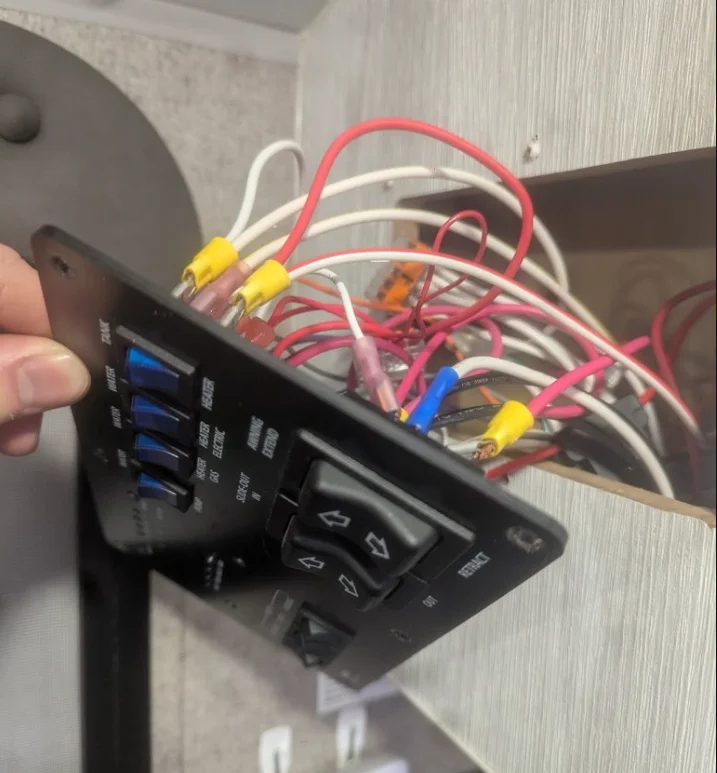
RV GFCI outlets fail for three distinct reasons: moisture intrusion that triggers a nuisance trip, a genuine ground-fault downstream that the GFCI detected and interrupted correctly, or an internal component failure in the GFCI device itself. Bathroom and kitchen outlets in RVs are exposed to steam and condensation that residential GFCI receptacles tolerate poorly - the sensing circuitry can trigger false trips in high-humidity environments, especially on older Leviton or Pass & Seymour devices that are not rated for wet locations. A single GFCI outlet in the bathroom often feeds multiple downstream receptacles throughout the coach - a feature called daisy-chaining through the LOAD terminals.
When the master GFCI trips or fails, every outlet downstream of it loses power as well. Owners frequently spend time looking for tripped breakers or testing outlets one by one when the only problem is a single failed GFCI at the head of the chain. Leakage current from shore power adapters, appliance cords with damaged insulation, or a faulty load connected to any downstream outlet can hold a GFCI in a continuous trip condition where it will not reset regardless of how many times the button is pressed.
Disconnecting all loads from protected outlets before pressing RESET is the correct first step - if the GFCI still will not reset with no loads, the device itself has failed.
How RV Repair Daytona Beach Diagnoses and Fixes Dead RV Outlets
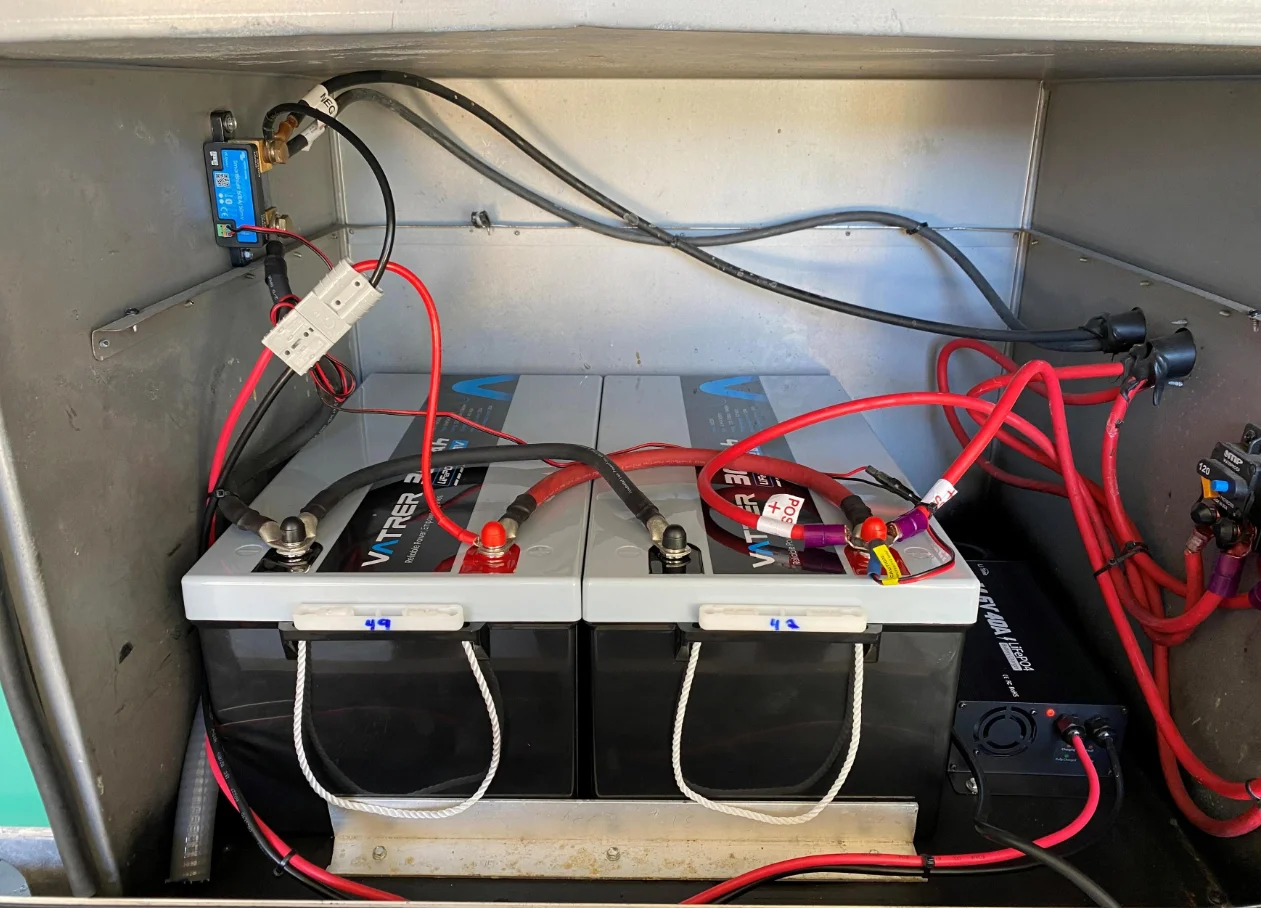
Our technician begins by locating every GFCI outlet on the coach and testing each for correct LINE and LOAD wiring orientation using a receptacle tester. Reversed LINE and LOAD connections are a common installation error that prevents the GFCI from protecting downstream outlets and can cause the device to trip the moment power is applied. Once wiring orientation is confirmed, we perform a fault-current leakage test on the protected circuit with a clamp meter to identify any appliance or wiring path contributing ground-fault current.
Failed GFCI devices are replaced with TR-rated tamper-resistant receptacles rated for wet or damp locations, which are the correct specification for bathroom and kitchen installations in travel trailers and motorhomes. We wire the LOAD terminals to restore downstream outlet protection and test every outlet on the protected circuit with a load before closing the wall plate. Service call pricing is $299-$399 and covers travel plus the first hour.
GFCI receptacle replacement parts are low-cost and quoted in writing before installation.
RV Electrical System Repair Cost in Daytona Beach, FL
| Service | Typical Cost | Notes |
|---|---|---|
| Service Call + First Hour | $299 - $399 | Travel + diagnostics anywhere in Volusia County |
| Battery Replacement | $150 - $400 | Per battery; group 27 / 31 deep cycle |
| Converter / Charger Repair | $200 - $600 | Diagnose and repair or replace |
| Inverter Repair or Replacement | $300 - $800 | Modified or pure sine wave units |
| Shore Power Outlet Repair | $100 - $250 | 30A or 50A pedestal connection |
| Breaker Panel Repair | $200 - $500 | Includes diagnosis and breaker swap |
| Wiring Diagnosis | $150 - $350 | Fault isolation; one-hour minimum labor |
Pricing note: Ranges shown are average costs for the Daytona Beach, FL market based on common repair scenarios. The exact cost of your repair depends on your RV make and model, the severity of the issue, and parts availability.
Only a technician on-site can provide an accurate estimate after inspecting your RV. A written estimate is provided before any work begins - you approve it before we start.
RV GFCI Outlet Repair - Common Questions
My RV bathroom outlet is dead but the breaker is not tripped - what is wrong?
A dead outlet with a closed breaker almost always means a GFCI outlet elsewhere on the circuit has tripped. Check the bathroom and kitchen GFCI outlets and press the RESET button firmly - a trip sometimes looks like the button is in the normal position. If resetting the GFCI does not restore power, the device itself has failed and needs replacement.
Can a bad shore power connection cause GFCI nuisance trips?
Yes. A shore cord with damaged insulation or a corroded plug that allows leakage current between the hot and ground conductors can cause a GFCI to trip immediately when shore power is connected. Testing with a known-good shore cord eliminates this as a variable before we condemn any internal wiring or outlet.
How many outlets does one RV GFCI protect?
A single GFCI outlet wired through its LOAD terminals can protect any number of downstream receptacles on the same circuit. In many RVs one bathroom GFCI protects two to four additional outlets throughout the coach. When that master GFCI fails, all protected outlets lose power simultaneously.
Should I replace my RV GFCI outlets with a GFCI breaker instead?
A GFCI breaker in the main panel protects the entire circuit without requiring GFCI outlets at each location, which simplifies troubleshooting and reduces the number of failure points. The trade-off is higher parts cost for the breaker itself. For coaches with frequent nuisance trips tied to moisture, a GFCI breaker is often the better long-term solution because the breaker lives in a dry panel enclosure rather than a damp wall box.
What GFCI outlet rating is correct for an RV bathroom?
Bathroom locations in an RV require a GFCI outlet rated for damp or wet locations and should be tamper-resistant (TR-rated) per the NEC. Standard residential GFCI outlets sold for dry indoor use are not the correct specification and are more likely to fail prematurely from humidity exposure. RV Repair Daytona Beach installs wet-location TR-rated GFCI receptacles on every bathroom replacement.