RV Wiring Diagnosis - Daytona Beach, FL
RV Repair Daytona Beach locates 12V and 120V wiring faults using a thermal imaging camera and circuit tracer - no tearing apart walls based on guesswork. We trace dead circuits, find chafed or melted insulation, and identify undersized runs causing voltage drop to slides, awnings, and appliances. Most wiring faults are found and repaired without destructive wall access, using the rig's existing junction points and access panels.
Why RV Wiring Diagnosis Requires More Than a Multimeter - The Case for Thermal Imaging and Tone Tracing
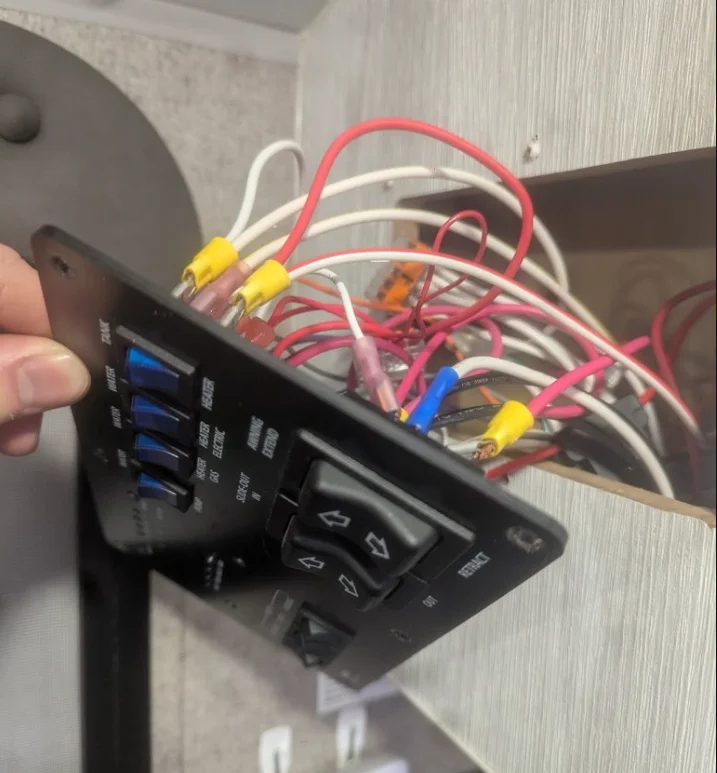
An RV has more than 200 feet of wire in many Class A and fifth-wheel configurations, running through wall cavities, floor channels, and basement compartments fully enclosed during manufacturing. A standard multimeter can tell you whether continuity is present at a circuit endpoint but cannot tell you where along a 40-foot wire run the break is located without tracing every foot. A FLIR thermal camera solves the high-resistance connection problem by imaging heat - a corroded terminal or undersized wire segment generates measurable heat under load that appears as a bright spot on the thermal image from outside the wall cavity, without any disassembly required.
A tone-based circuit tracer injects a low-frequency signal onto a wire and allows a technician to follow the tone with a hand-held probe through wall, ceiling, or floor structure to the exact location where the signal stops - indicating the open circuit. These two tools allow RV Repair Daytona Beach to diagnose most wiring faults without destructive wall access.
Parasitic Draw Diagnosis - Finding the Circuit That Is Draining Your RV Battery
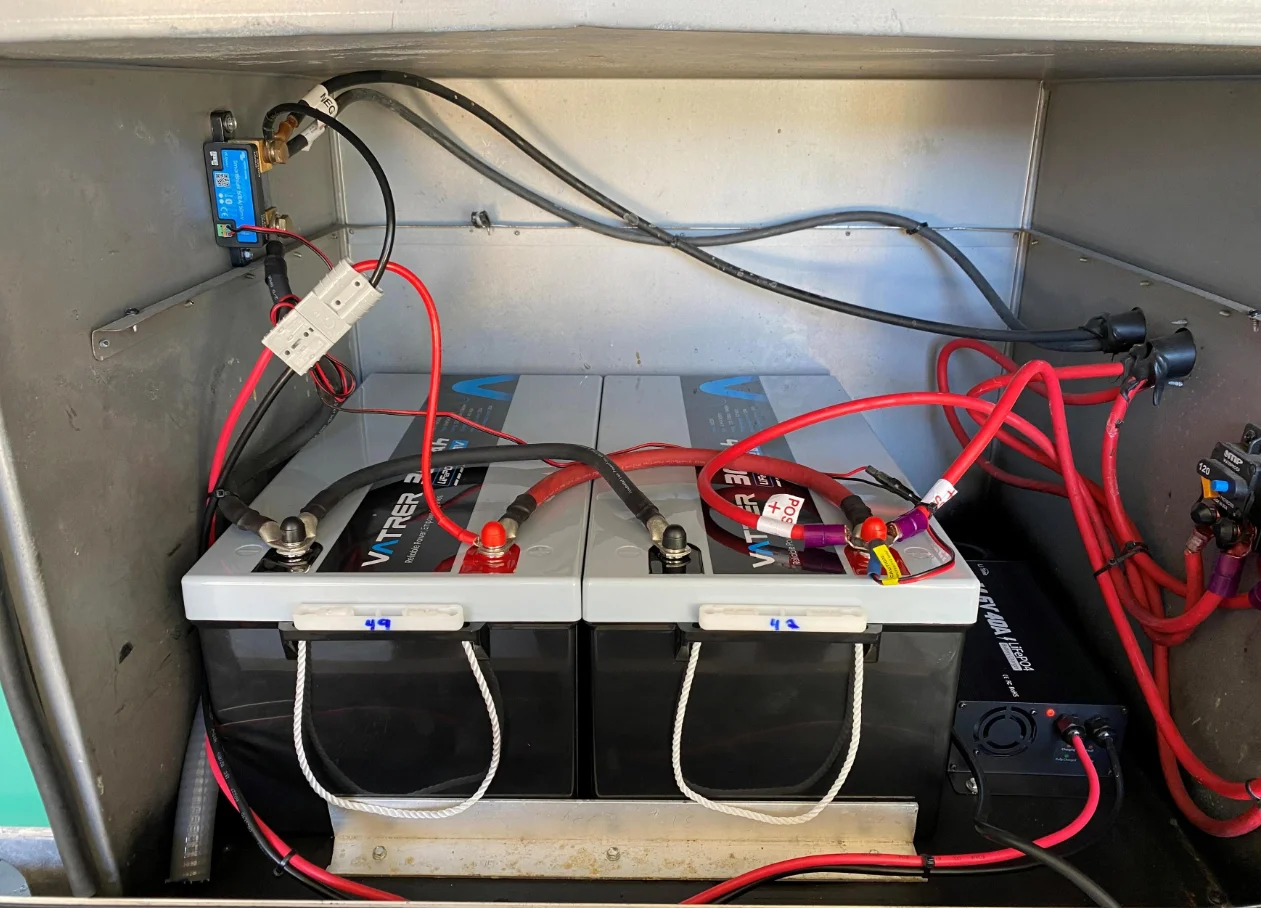
A parasitic draw - an electrical load that remains active when the RV should be fully shut off - requires isolating individual circuits while monitoring total current draw. Our technicians begin by clamping a DC clamp meter on the main negative battery cable with all loads off and doors closed. A reading above approximately 50 milliamps indicates a parasitic draw that needs investigation.
We then pull the fuse for each circuit branch in sequence, watching for the draw to drop to near zero when the offending circuit loses power. The circuit that causes the drop is the one with the fault - then we trace it to find whether a relay is stuck, an appliance is not shutting off, or a 12V accessory is wired directly without a switched supply. Common culprits are aftermarket inverters left in standby mode, LP gas leak detectors with failed 12V regulators, and slide-out controllers with faulty position sensors keeping the motor circuit energized.
RV Electrical System Repair Cost in Daytona Beach, FL
| Service | Typical Cost | Notes |
|---|---|---|
| Service Call + First Hour | $299 - $399 | Travel + diagnostics anywhere in Volusia County |
| Battery Replacement | $150 - $400 | Per battery; group 27 / 31 deep cycle |
| Converter / Charger Repair | $200 - $600 | Diagnose and repair or replace |
| Inverter Repair or Replacement | $300 - $800 | Modified or pure sine wave units |
| Shore Power Outlet Repair | $100 - $250 | 30A or 50A pedestal connection |
| Breaker Panel Repair | $200 - $500 | Includes diagnosis and breaker swap |
| Wiring Diagnosis | $150 - $350 | Fault isolation; one-hour minimum labor |
Pricing note: Ranges shown are average costs for the Daytona Beach, FL market based on common repair scenarios. The exact cost of your repair depends on your RV make and model, the severity of the issue, and parts availability.
Only a technician on-site can provide an accurate estimate after inspecting your RV. A written estimate is provided before any work begins - you approve it before we start.
RV Wiring Diagnosis - Common Questions
My 12V outlet works but the one across the room is dead - how do you trace that without opening walls?
We inject a low-frequency tone signal at the dead outlet and trace it along the rig's wire runs using a receiver probe, which lets us follow the circuit to the break point without opening anything. Once we locate where the signal stops, we can usually access the fault through an existing cabinet, junction box, or floor access panel. This method is accurate to within a few inches on runs up to 100 feet.
How does a thermal camera help find RV wiring problems?
A thermal camera shows heat generated by resistance - a loose terminal, undersized wire, or failing connection gets noticeably warmer than the surrounding wiring under load. We run the suspected circuit at draw and scan the run with a FLIR camera, which highlights problem areas that look completely normal to the eye. This is especially useful for finding the cause of nuisance breaker trips where the connection looks fine on visual inspection.
My Lippert OneControl system shows a fault on a slide circuit but the slide still moves - what does that mean?
Lippert OneControl logs current draw faults when a motor circuit pulls more or less amperage than its calibrated baseline, which can indicate a failing motor, a corroded ground connection, or a pinched wire on the slide rail. The slide may continue to move while the fault builds, but the underlying problem will worsen. We pull the OneControl fault log, test the slide motor draw with a clamp meter, and inspect the cable run along the slide carriage to find the source.
How do you trace a wiring fault in a slide-out that moves and changes wire routing?
Slide-out wiring faults are particularly challenging because the cable bundle flexes with every slide cycle and can develop intermittent opens at the flex point that only appear when the slide is in certain positions. We test the slide circuit with the slide at full extension, mid-travel, and fully retracted to identify whether the fault is position-dependent - which points to a fatigue crack in the wiring at the flex loop - versus a fixed connection fault that exists regardless of slide position.
Can water intrusion cause 12V wiring faults inside an RV wall?
Yes - water intrusion from a failed roof seal, vent gasket, or sidewall delamination is a common cause of corrosion-related wiring faults in RV wall cavities. Corroded connections inside a wall junction box can create high resistance that causes voltage drop on 12V circuits or intermittent opens that appear only when the corrosion is disturbed by vibration.
Our thermal camera identifies warm spots at corroded junctions under load, and the tone tracer locates intermittent opens that do not show up as a direct short. We always seal the water entry point before repairing corroded wiring - otherwise the problem returns.