RV Electrical Safety Inspection - Daytona Beach, FL
RV Repair Daytona Beach's electrical safety inspection covers both the 12V DC and 120V AC systems on your RV - at your location. We test shore power connections, converter output, inverter function, battery bank state of health, and every GFCI outlet. We also inspect the transfer switch, LP-operated appliance ignition circuits, and slide-out motor wiring for chafing or overloaded breakers.
What an RV Electrical Safety Inspection Evaluates
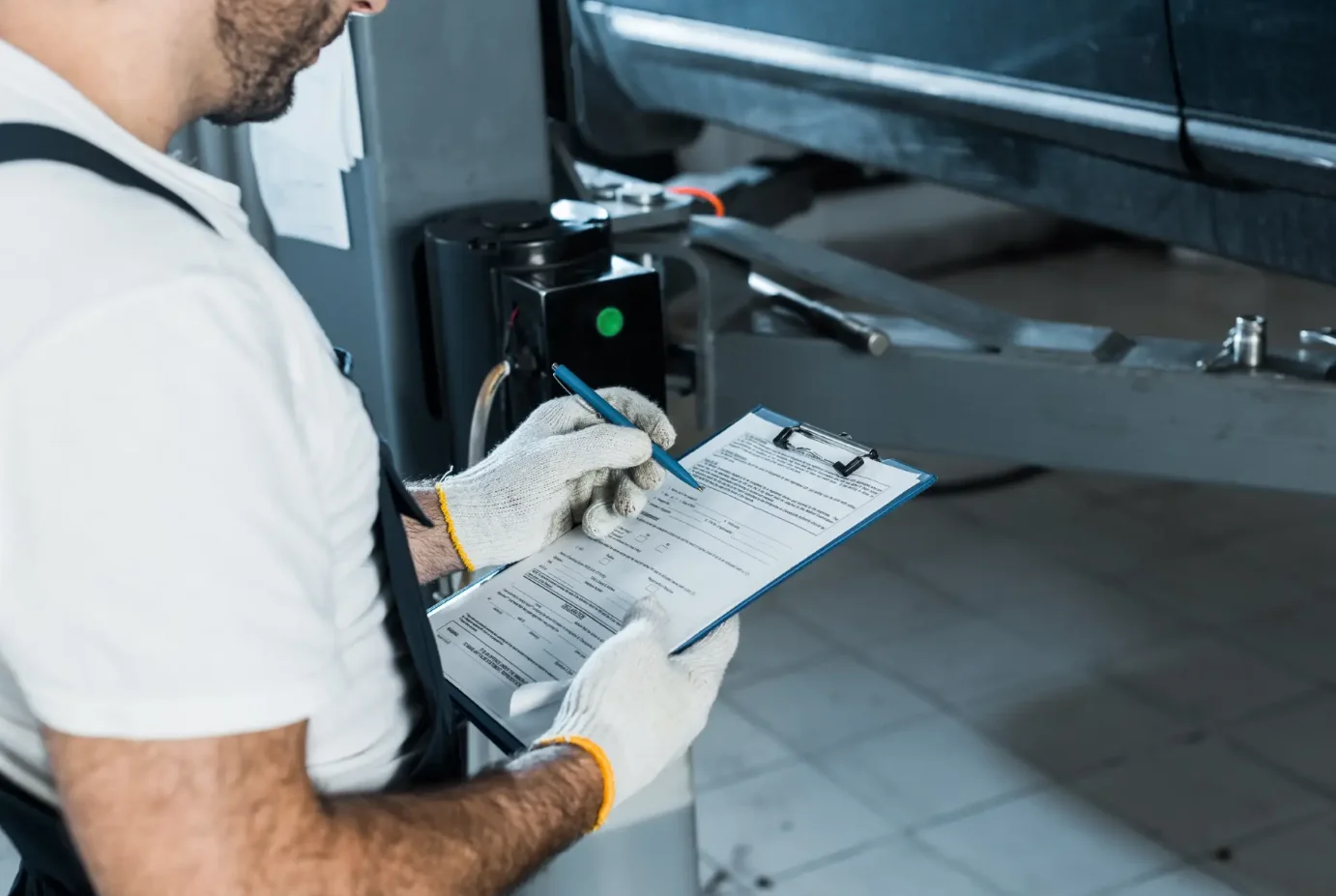
An RV electrical system operates at two voltage levels - 12V DC for lights, slides, and engine-start functions, and 120V AC for appliances and shore power distribution - and both systems require separate evaluation during a safety inspection. RV Repair Daytona Beach uses a non-contact voltage tester, a calibrated clamp meter, a polarity tester, and a thermal imaging camera to evaluate both systems systematically. The 120V inspection starts at the shore power inlet and works inward: inlet cord and receptacle condition, EMS or surge protector operation, main breaker panel for loose bus connections and proper breaker sizing, all 120V receptacles for correct polarity and ground, GFI operation in all wet locations, and converter output voltage under load.
The 12V inspection covers the battery bank under load with a conductance tester, all battery connections and ground straps, the 12V distribution panel for correct fuse sizing, and all circuits for excessive voltage drop under load. The thermal camera identifies hot connections that are building heat from resistance before they fail. All findings are documented in a written report with NFPA 1192 reference where applicable.
Thermal Imaging as a Core Electrical Inspection Tool
Thermal imaging is the single most valuable diagnostic tool in an RV electrical inspection because it reveals resistance heating at connections that look completely normal on visual inspection. A loose battery terminal, an undersized wire lug, or a corroded bus bar connection all generate heat proportional to the current flowing through them and the resistance at the fault point. Under normal load, a perfect connection shows at ambient temperature, while a marginal connection shows 10 to 40 degrees warmer.
A failing connection on the verge of arcing can show 100 degrees above ambient. None of these conditions are visible to the eye. RV Repair Daytona Beach uses a FLIR thermal camera to scan the battery compartment, the shore power inlet, the main breaker panel, and all major 12V junction blocks during every electrical inspection.
Images are captured and saved with the ambient temperature reference so the report shows the actual temperature differential at each finding. This approach finds faults that conventional testing misses - a connection that measures correct voltage at rest can still be a fire hazard under the continuous current it will see when the air conditioner runs.
RV Pre-Purchase Inspection Cost in Daytona Beach, FL
| Service | Typical Cost | Notes |
|---|---|---|
| Service Call + First Hour | $299 - $399 | Travel + diagnostics anywhere in Volusia County |
| Pre-Purchase Inspection (Class A/B+/C) | $350 - $550 | Full 150-point check; written report on-site |
| Annual Safety Inspection | $200 - $350 | All systems, roof, structure, and LP check |
| Pre-Event Inspection (Race Week) | $200 - $350 | Speedweeks / Bike Week prep - systems most likely to fail |
| Roof and Sealant Inspection | $100 - $200 | Dedicated roof walk with probing and report |
| Pre-Trip Safety Check | $100 - $175 | Tires, lights, brakes, hitch, roof, and LP |
Pricing note: Ranges shown are average costs for the Daytona Beach, FL market based on common repair scenarios. The exact cost of your repair depends on your RV make and model, the severity of the issue, and parts availability.
Only a technician on-site can provide an accurate estimate after inspecting your RV. A written estimate is provided before any work begins - you approve it before we start.
RV Electrical Safety Inspection - Common Questions
What's the difference between the 12V and 120V systems in an RV, and why do both need inspecting?
The 12V DC system powers lights, slides, water pump, fan controls, and LP appliance ignition whether or not you are plugged in to shore power. The 120V AC system powers outlets, the microwave, rooftop A/C (Coleman Mach or Dometic Penguin units), and the battery charger/converter.
Failures in either system can leave you without climate control, refrigeration, or lighting - and wiring faults in the 120V system are a fire risk. Inspecting them separately ensures neither is masked by the other.
How do you test the battery bank during the inspection?
We use a conductance tester to measure each battery's cold cranking amp capacity and compare it to the manufacturer rating - a battery reading below 80% of rated capacity is flagged for replacement. For lithium (LiFePO4) systems we check the BMS charge and discharge limits, cell balance, and any error codes via the BMS app or display. We also load-test the bank under a controlled draw to confirm the system can sustain real-world demand.
Can you inspect a generator as part of the electrical inspection?
Onan and Generac RV generators are included on request as a generator add-on to the electrical inspection. We check oil level and condition, air filter, output voltage and frequency under load, and carbon monoxide output at the exhaust exit. Generator hours are logged and compared to Onan's recommended service intervals - a 100-hour oil change and 500-hour spark plug service are the most commonly missed items we find.
Is an RV electrical inspection the same as having an electrician inspect a house?
It is similar in intent but different in the specific systems evaluated. RV electrical systems are governed by NFPA 1192 rather than the NEC, and they combine 12V DC and 120V AC systems in the same space with components a residential electrician typically does not encounter. RV Repair Daytona Beach technicians are trained specifically on RV electrical architecture including converter and inverter systems, battery management, and LP appliance interaction with the electrical system.
My RV has a solar panel system added by a prior owner - can you inspect that during the electrical check?
Yes - aftermarket solar installations are a specific focus during used-RV electrical inspections because DIY solar additions frequently use undersized charge controllers, incorrect wire gauges, or unprotected runs that do not meet minimum safety standards. We test the solar charge controller output, verify wire sizing from the panels to the controller and from the controller to the battery bank, and confirm that all DC runs are fused within 18 inches of the battery positive terminal.