RV Water Pressure Regulator Repair - Daytona Beach, FL
An RV water pressure regulator that fails leaves your plumbing system either with no water pressure or exposed to damaging campground over-pressure that can burst PEX fittings and pop faucet valve seats. RV Repair Daytona Beach diagnoses and replaces failed fixed or adjustable water pressure regulators on-site, restoring safe operating pressure and testing every fixture before leaving your site.
What Happens When an RV Water Pressure Regulator Fails?
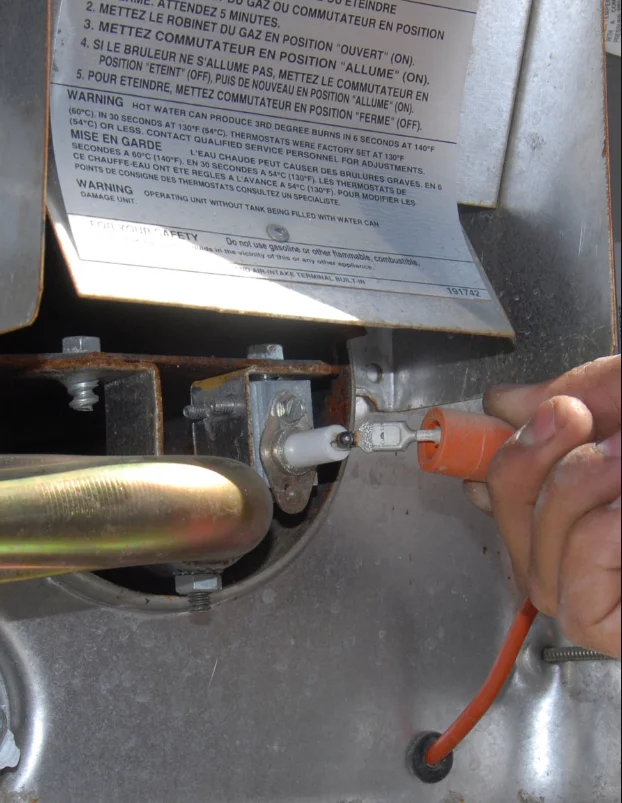
RV plumbing systems are designed for 40-60 PSI operating pressure. Many campground water systems deliver 80-100 PSI or more at the hookup, especially at sites fed directly from municipal supply. Without a functioning pressure regulator, this over-pressure stresses PEX fittings at every compression connection point, forces Shurflo and Flojet pump check valves off their seats, and can blow apart low-pressure fittings inside the water heater bypass system.
A regulator that has failed closed produces the opposite symptom - full city water hookup with no pressure at any fixture. The regulator body is internally blocked, and water cannot pass regardless of inlet pressure. This is distinguishable from a pump failure because the failure occurs specifically when connected to city water hookup, while pump operation from the fresh tank remains normal.
Standard fixed regulators from Watts or Camco set pressure to 40-45 PSI and are not adjustable. Adjustable regulators from Valterra or Watts allow the owner to set pressure between 20-80 PSI using an inline gauge, which is useful when variable-pressure campground sources are common. Adjustable units add a gauge connection point that can fail independently of the regulator body.
How RV Repair Daytona Beach Diagnoses and Replaces RV Water Pressure Regulators
Our technician connects a calibrated water pressure gauge directly to the campground hookup before attaching the regulator, reading the raw inlet pressure. We then measure outlet pressure with the regulator in line and compare to the regulator's rated output. A regulator showing full inlet pressure at the outlet has failed open.
A regulator showing zero output with confirmed inlet pressure has failed closed. A regulator showing output pressure that drifts or spikes under flow indicates a worn internal diaphragm. Replacement regulators are installed with correct thread sealant on all NPT connections and tested at the full campground inlet pressure before the coach is reconnected.
Every faucet and fixture is opened and checked for normal flow and pressure after the regulator replacement to confirm the plumbing system was not stressed during the failed-open period. We also inspect the water inlet check valve on the coach itself, which prevents back-flow of fresh water into the city hookup when the demand pump runs. A failed check valve allows pump pressure to reach the campground hookup, which is a secondary failure mode that accompanies many regulator replacement calls.
RV Plumbing Repair Cost in Daytona Beach, FL
| Service | Typical Cost | Notes |
|---|---|---|
| Service Call + First Hour | $299 - $399 | Travel + diagnostics anywhere in Volusia County |
| Water Pump Replacement | $150 - $350 | Shurflo / Flojet; includes fittings |
| Water Heater Repair | $200 - $600 | Suburban or Atwood; pilot, element, or thermostat |
| Toilet Replacement | $200 - $500 | Standard ball-valve or foot-pedal model |
| Tank Leak Repair | $150 - $400 | Black or grey tank; sealant or fitting swap |
| Fresh Water Pipe Repair | $100 - $300 | PEX fitting or section replacement |
| Water Filter System Install | $150 - $400 | Inline filter; canister or whole-coach |
Pricing note: Ranges shown are average costs for the Daytona Beach, FL market based on common repair scenarios. The exact cost of your repair depends on your RV make and model, the severity of the issue, and parts availability.
Only a technician on-site can provide an accurate estimate after inspecting your RV. A written estimate is provided before any work begins - you approve it before we start.
RV Water Pressure Regulator Repair - Common Questions
What PSI should my RV water pressure be set to?
Most RV plumbing systems are designed for 40-60 PSI. A fixed regulator set to 40-45 PSI is the safe default for all hookup situations. If you have an adjustable regulator, do not exceed 60 PSI - above that pressure, push-fit PEX fittings and plastic faucet valve bodies are at risk of failure.
Can high campground water pressure damage my RV?
Yes. Campground water pressure commonly runs 80-100 PSI, which is twice the design pressure for most RV plumbing components.
Extended operation without a regulator causes slow leaks at PEX compression fittings, accelerated wear on faucet cartridges, and failure of toilet valve seats. A $15 pressure regulator prevents thousands of dollars in plumbing damage.
Does a water pressure regulator need to be replaced regularly?
Fixed regulators have a limited service life and should be inspected every 2-3 seasons. The internal rubber diaphragm hardens and cracks over time, which causes the regulator to lose its ability to hold a constant output pressure. An inexpensive replacement before failure is far less costly than diagnosing water damage after a failed-open regulator exposes the plumbing system to campground over-pressure.
Should I use a fixed or adjustable RV water pressure regulator?
A fixed regulator from Watts or Camco set to 40-45 PSI is adequate for most RVers who camp at established campgrounds. An adjustable regulator is useful when you frequently use sites with low municipal pressure and need to maximize available flow, or when you want to verify outlet pressure with an attached gauge. Adjustable units from Valterra cost slightly more but provide more information about what your campground source is actually delivering.
Where is the water pressure regulator located on an RV?
The water pressure regulator connects between the campground water hookup hose and the coach city water inlet fitting on the exterior sidewall. It is an external device, not installed inside the coach. Some coaches have a second internal regulator built into the water inlet connection, but the external regulator is the primary pressure protection point.