RV Fiberglass Roof Repair - Daytona Beach, FL
RV fiberglass roof repair restores stress cracks, impact damage, and oxidized gelcoat on fiberglass cap roofs found on many Class C motorhomes, high-end fifth wheels, and older Class A coaches. RV Repair Daytona Beach grinds, fills, and refinishes fiberglass roof damage on-site, stopping moisture intrusion at the repair zone and restoring structural integrity without pulling the coach to a shop.
What Causes Fiberglass RV Roof Damage and How to Identify It
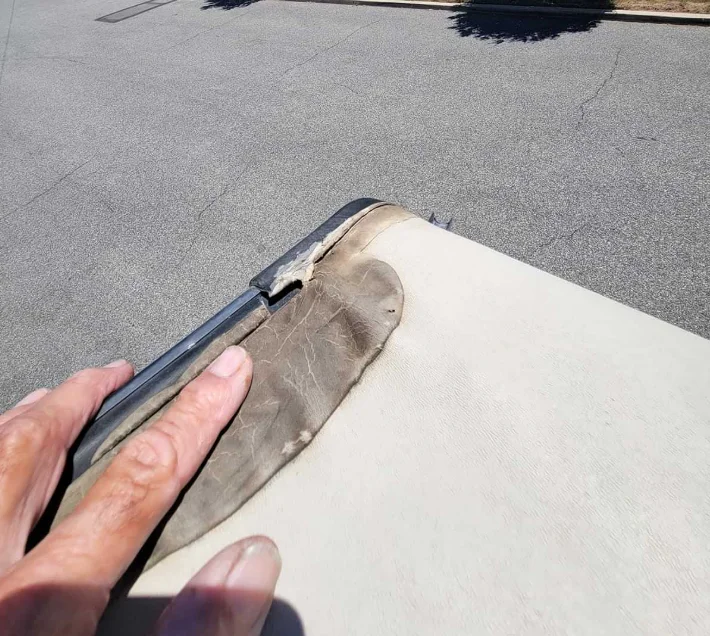
Fiberglass roofs on RVs develop two distinct failure patterns: stress cracks and impact damage. Stress cracks radiate from high-flex areas - most commonly at the front and rear cap transitions, around roof vents, and at the perimeter seams where the roof panel meets the sidewall fiberglass. These cracks begin in the gelcoat layer and can penetrate into the underlying fiberglass laminate if left untreated, allowing moisture into the core structure beneath the outer skin.
Impact damage from overhead tree branches, hail, or improper pressure washing produces star-pattern cracks or spiderweb crazing in the gelcoat that exposes the raw fiberglass cloth beneath. Exposed fiberglass absorbs water rapidly - within days of first exposure the laminate begins to wick moisture into the surrounding sandwich core, which begins delamination from the inside out. Oxidation is a surface phenomenon that does not compromise structural integrity but indicates the gelcoat is no longer providing UV protection to the underlying laminate.
A heavily oxidized fiberglass roof that chalks on contact is nearing the end of its protective life and should be compounded, polished, and sealed before oxidation penetrates through the full gelcoat thickness.
How RV Repair Daytona Beach Fixes Fiberglass Roof Cracks and Damage On-Site
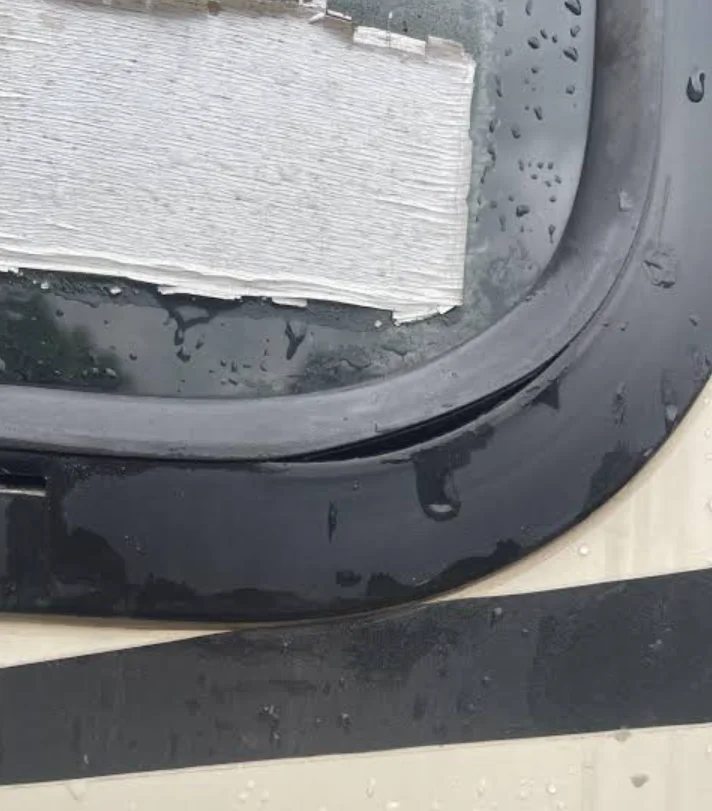
Stress crack repair begins with V-grooving the crack with a rotary tool to create a clean, bondable channel that accepts filler without relying on surface adhesion alone. The groove is cleaned with acetone, filled with fiberglass-compatible polyester filler, and block-sanded flush after cure. Hairline cracks that have not yet penetrated the gelcoat are treated with a flexible polyurethane sealant that allows the panel to flex without reopening the repair.
Impact damage that has reached the fiberglass cloth beneath the gelcoat requires a wet fiberglass laminate repair - layers of fiberglass cloth wetted with polyester resin are applied to build back the damaged section to original thickness before gelcoat is applied over the cured repair. This restores full structural integrity and creates a waterproof barrier over the impact zone. Color-matched gelcoat is applied and wet-sanded through progressive grits to blend the repaired area with the surrounding original gelcoat.
A UV-stable clear coat polish is applied over the entire repaired zone. Color matching on older fiberglass roofs that have faded is approximate rather than exact - we advise on the expected visual result before beginning any cosmetic repair.
RV Roof Repair Cost in Daytona Beach, FL
| Service | Typical Cost | Notes |
|---|---|---|
| Service Call + First Hour | $299 - $399 | Travel + diagnostics anywhere in Volusia County |
| Spot Leak Repair (Lap Sealant) | $200 - $500 | Up to 4 penetrations; Dicor lap sealant |
| Full Roof Reseal | $500 - $1,500 | All seams, vents, and antenna bases |
| Roof Vent Replacement | $100 - $300 | Fantastic Fan or MaxxAir vent cap |
| Roof Delamination Repair | $500 - $2,000 | Section repair; structural boards and membrane |
| Rubber Roof Coating | $800 - $2,000 | EPDM or TPO full coat; 10-15 ft coach |
| Skylight Replacement | $150 - $400 | Standard RV skylight; includes new seal |
Pricing note: Ranges shown are average costs for the Daytona Beach, FL market based on common repair scenarios. The exact cost of your repair depends on your RV make and model, the severity of the issue, and parts availability.
Only a technician on-site can provide an accurate estimate after inspecting your RV. A written estimate is provided before any work begins - you approve it before we start.
RV Fiberglass Roof Repair - Common Questions
Can fiberglass roof cracks be permanently repaired on-site?
Yes - stress cracks and impact damage that have not compromised the underlying core structure are fully repairable on-site with proper surface preparation and fiberglass repair materials. Repairs that cover delaminated core material require core replacement and are beyond on-site repair scope. We probe every crack with a moisture meter before recommending on-site repair vs.
a shop repair that includes core work.
How do I know if my fiberglass roof crack is causing water damage inside?
Press a moisture meter probe to the interior ceiling panel directly beneath the crack. Readings above 20% on a wood-substrate panel indicate active moisture intrusion through the crack. Water staining on ceiling panels, soft spots in the ceiling material, or delamination bubbles on the fiberglass exterior within 12 inches of the crack are visual confirmation of active leakage.
Is it worth repairing oxidized fiberglass on an older RV?
Oxidation that has consumed less than half the gelcoat thickness can be restored by cutting and polishing with a rotary buffer and diminishing abrasive compounds. Gelcoat that has oxidized through its full thickness exposes the raw laminate and requires new gelcoat application. A visual inspection and chalk test determines which treatment is appropriate before any work begins.
What is the difference between fiberglass roof repair and rubber EPDM roof repair?
Fiberglass roofs are rigid structural panels with a gelcoat outer surface repaired using polyester resin and gelcoat compounds. EPDM rubber membrane roofs are flexible sheet membranes bonded to plywood decking repaired with EPDM adhesive, patch material, and compatible lap sealant. The materials and techniques are completely different and not interchangeable - using rubber membrane products on a fiberglass roof or vice versa produces a repair that will fail within one season.
Can I paint over oxidized fiberglass on my RV roof?
Applying paint over oxidized gelcoat without first mechanically removing the oxidation layer produces a bond to a chalky, compromised surface that will peel within 1-2 seasons. If the gelcoat cannot be restored by cutting and polishing, a UV-stable fiberglass roof coating from Dicor or Rubberseal applied over properly prepared surface provides better adhesion and UV protection than conventional paint.